Ancestral Roots
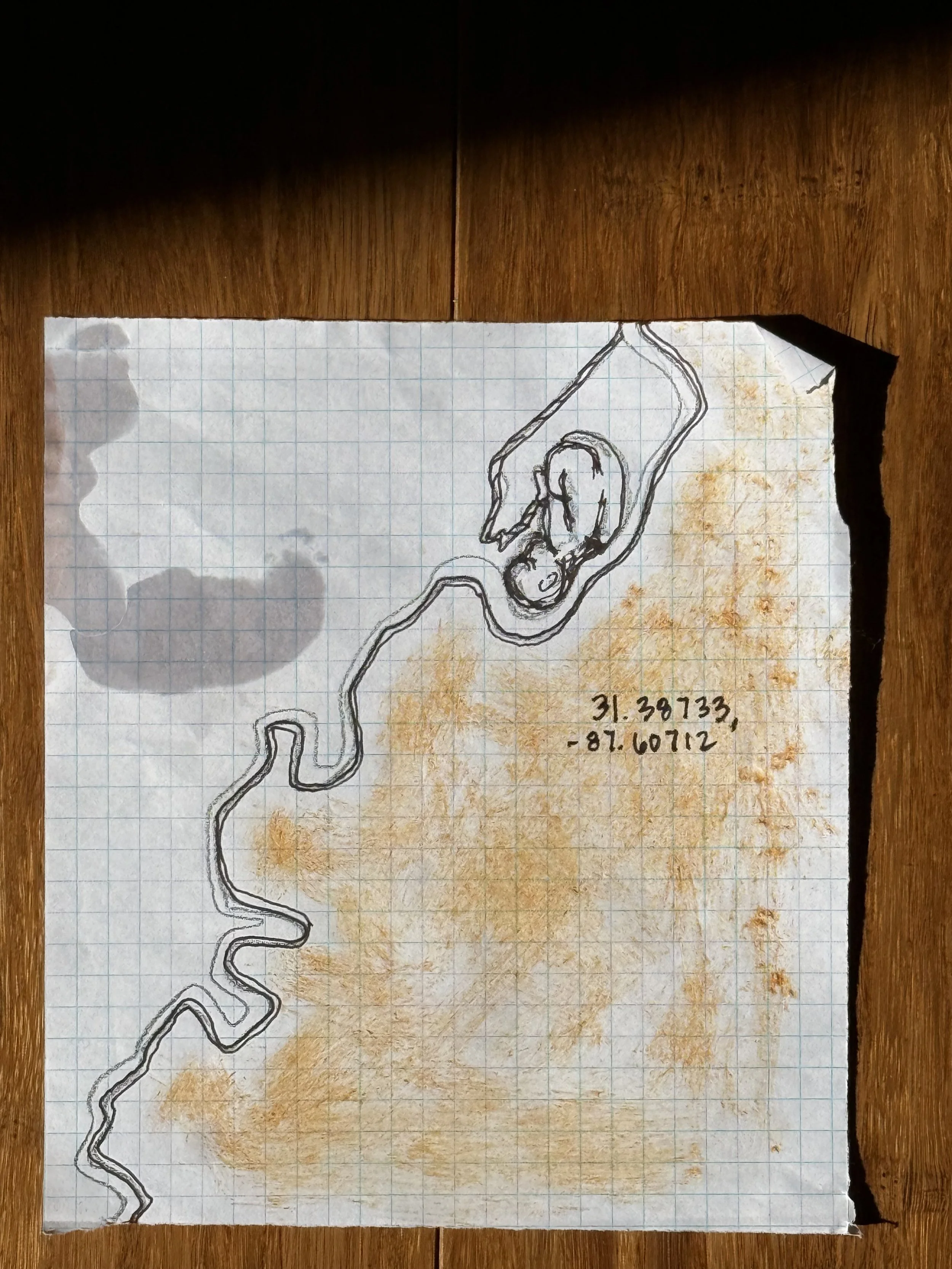
I am made of red clay, and covered in contradictions. The breath of all of my ancestors, but especially the breath of those that wished me here – to meet this particular place, at this particular moment in time.
I come from land owning people, people of the land, people who have owned other people, and people who at some point in time, were likely owned by someone else. There are stories that I know, and others I do not. A privilege, I recognize, to even know the ones I do through written documentation. These small threads of a much wider tapestry that moves through my veins are only an invocation to invite the benevolent ancestors to be present here, to center truth when it is perceivably easier to turn away, to tell stories with integrity even when they are incomplete.
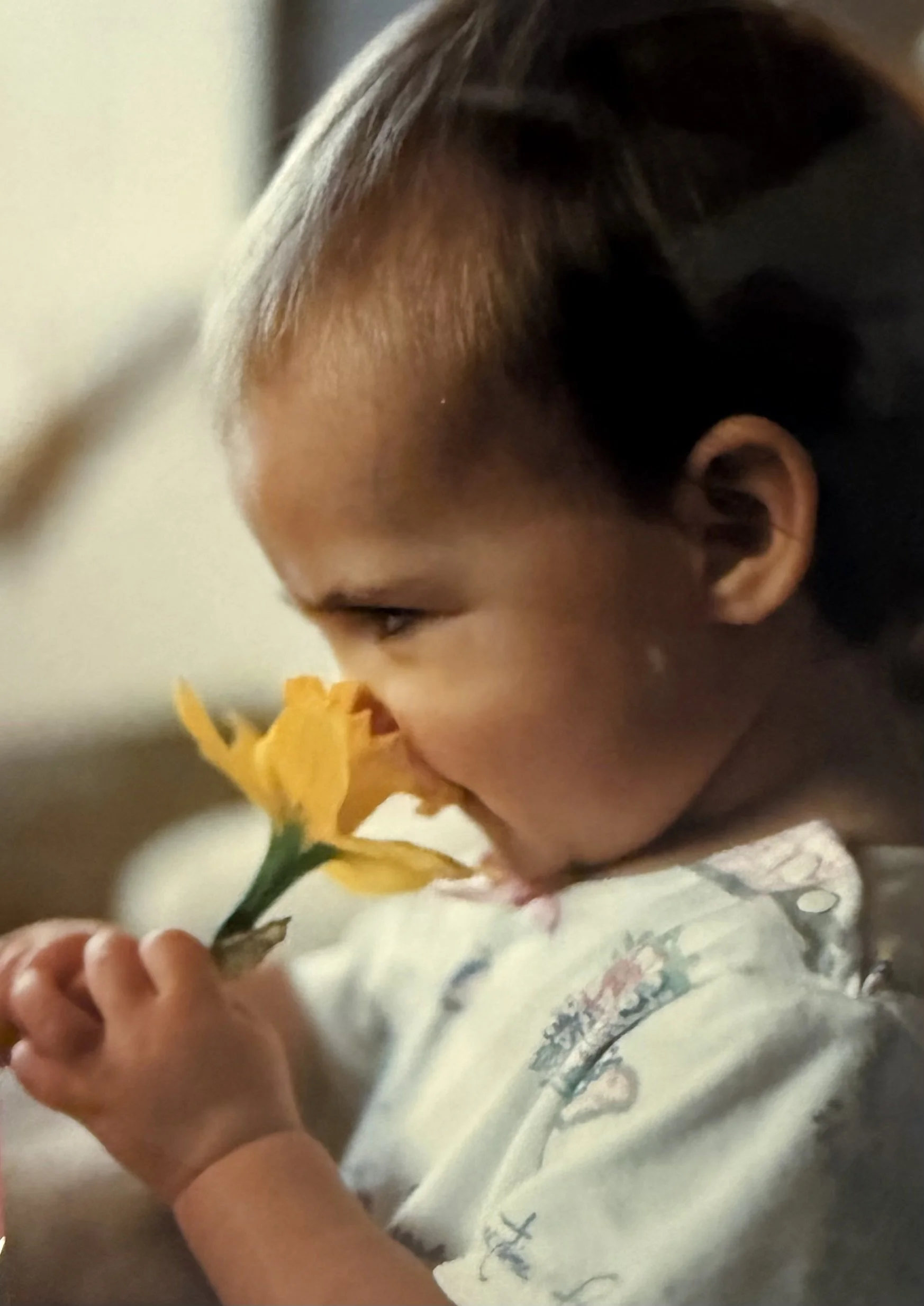
From my loving father, and my father’s father, I descend from settlers (Berry, Roberts, Fleming) who came from England and Wales to a land layered with limestone, Tanasi/Tennessee, as early as the 1600s. In their stories, you see conventional colonialism – land grants from military tenure, farmers who were connected to the land but who were rewarded for commodifying people and plants. Stories of specificity too – like my ancestors who lived in Giles County at thirty years old when the KKK was founded in Pulaski, Tennessee. Where were they? Or the ones that carefully developed the main street of Franklin, Tennessee. The same town I grew up in, with the Harpeth River winding through, distinct from the place it has become as the richest county in the state. And today, what was once a 600-acre farm, is now a mixed-use real estate development, supported in location by its proximity to the highway through negotiations between my great-grandfather and the at-the-time governor. Despite development, daffodils planted in the 1900s still come up, and the honeybees visit. I can’t help but take a breath with these people whose bodies have offered my life. And say Thank You for the ability to be here in this moment, to make choices that ripple forwards and backwards in time.
From my beloved mother, and my mother’s mother, I descend from settlers (Miller, Kersh, Brashier) who came to Mississippi and Louisiana, and married Alabama settlers. My connection to these ancestors lives in my relationship to my late grandmother, and to the line of women whose wombs have offered life over and over. I write, and pray, with the work of women in a zine, WHEN WE HIT OIL. Of all the stories that flow into the tributaries of me, I am most connected to these ancestors who settled in Alabama, and the complexity that comes with them. At this moment in time, these stories greatly inform my responsibility. From my great-grandfather on my mother’s side, I descend from settlers (Earle, McGowin, Steadham, Tarvin) who came to south Alabama from Ireland, Scotland, and other European nations in the 1700s. Most of these ancestors settled in the Tensaw River Delta, which became a culturally mixed community of Indigenous peoples, both enslaved and freed Africans, and European immigrants in the 1800s. There are various genealogical opinions on my mother’s full lineage, and it is unclear whether some of my ancestors were Mvskoke by blood, or adopted as kin within the community, which was a survival practice of many peoples at that time. Of this lineage, my ancestors stayed in Alabama when most relatives were pushed westward due to their allegiance to jackson as interpreters. Rewarded by land grant, they have been on this land since. For over one hundred and fifty years, these descendants and my relatives, have been managing working forests and drilling for oil. It is here, in this place that is asking for deep attention as we turn towards the future, where I meet these ancestors.
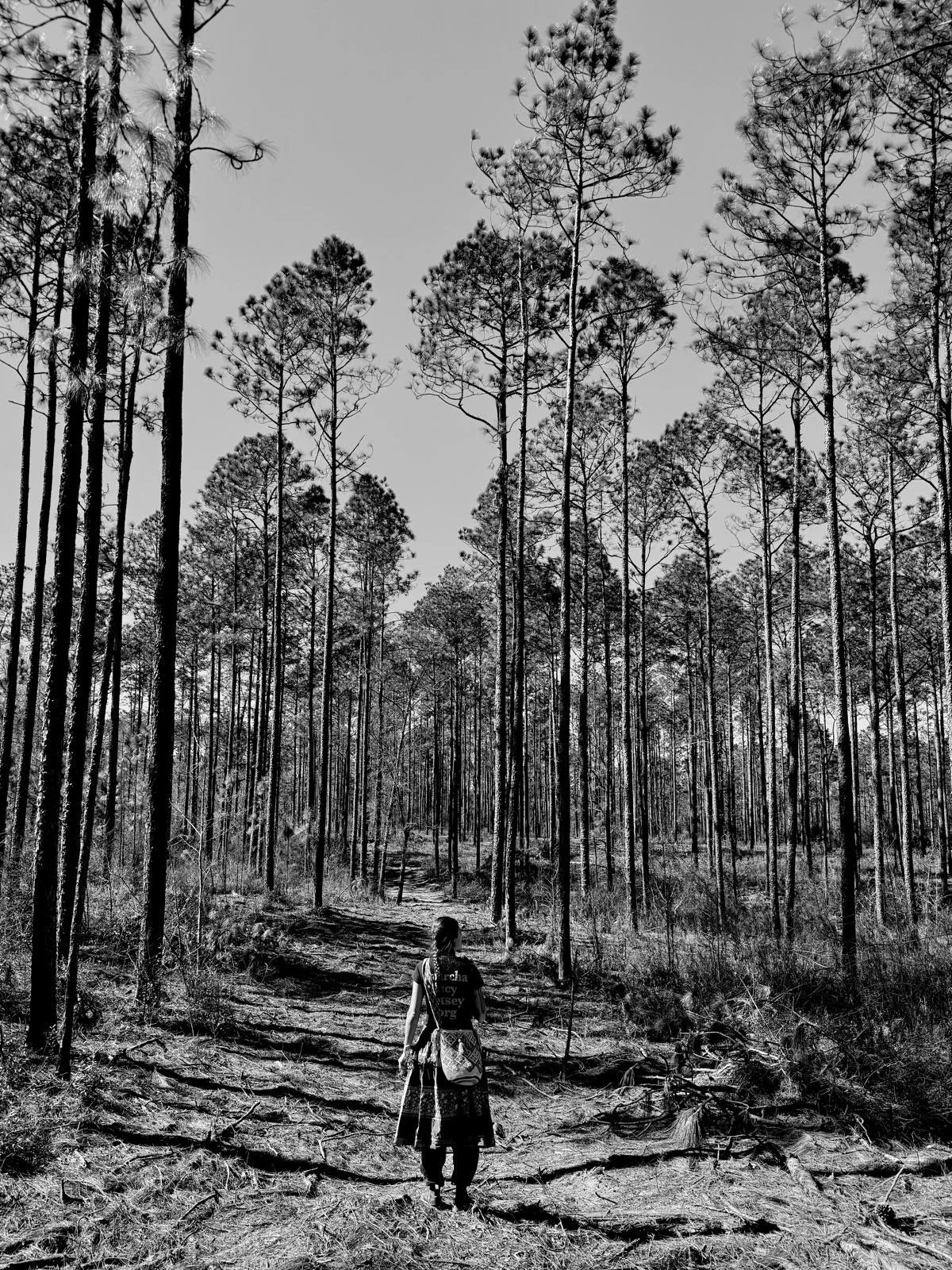
Today, I travel down the Tennessee River as it bows into Alabama, and the thick limestone slowly turns to sandy lowlands as you move south. I am a person of this place: the marshy deltas, the red clay soil, the longleaf pine forests. Who responds to what the Beings of this place ask of me. And what is known, is the unwavering moral and ancestral responsibility to the land we know as Alabama, to the South, and to the waters that connect us to the world, that my blood, bones, and spirit carry. For which I have inherited, and for which I have answered to.